famous &
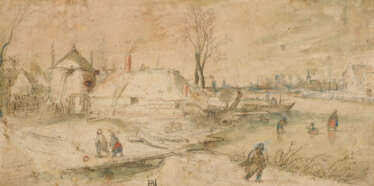

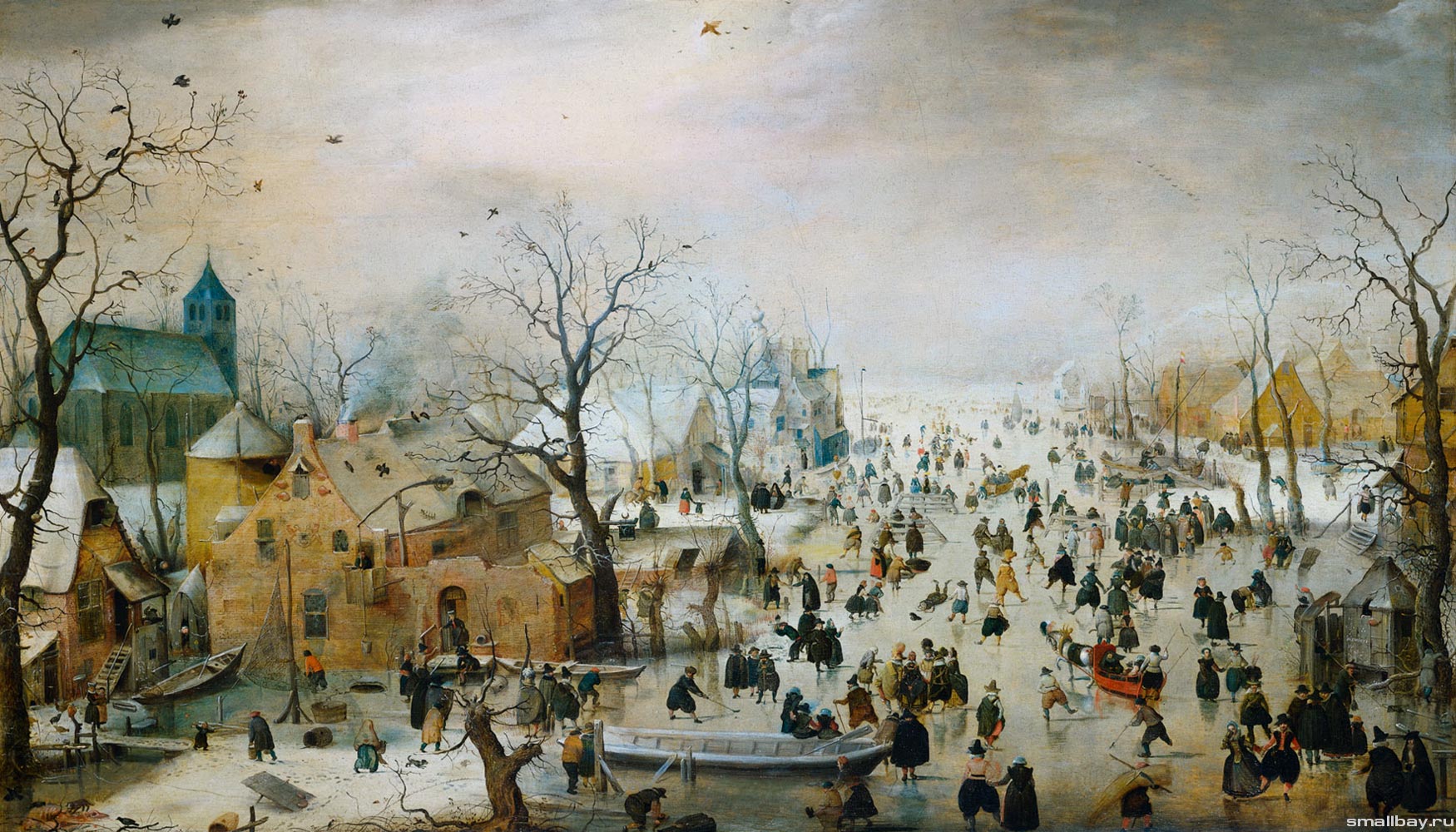
Hendrick Avercamp was a seminal Dutch painter during the Dutch Golden Age. He is celebrated as one of the earliest landscape painters of the 17th-century Dutch school, specializing in vibrant winter scenes of the Netherlands. His paintings are filled with colorful and lively depictions of people engaging in various activities against the backdrop of the Dutch winter landscape.
Educated by the Danish-born portrait painter Pieter Isaacsz, Hendrick Avercamp's work reflects a strong influence from the Flemish painting tradition, especially evident in the landscapes reminiscent of Pieter Bruegel the Elder. His technique of aerial perspective, where objects in the foreground are painted with richer colors than those in the distance, creates a remarkable impression of depth in his paintings.
Hendrick Avercamp's most ambitious and acclaimed work, 'Winter Landscape with Ice Skaters', painted around 1608, is a detailed panorama of human and animal activities during a harsh winter. This painting, along with others like 'Winter Landscape with a Frozen River and Figures' and 'Winter Landscape with Skates and People Playing Golf', showcase his knack for narrative, capturing various facets of 17th-century Dutch society enjoying the winter season.
Despite being mute and probably deaf, Hendrick Avercamp's keen observation skills are evident in his works, where he intricately portrays diverse classes engaging in various winter activities. He produced about a hundred paintings, many of which can be seen in the Rijksmuseum in Amsterdam and the Mauritshuis in The Hague. His work was also celebrated for its historical quality, providing a glimpse into the life of different societal levels in the Netherlands at that time.
For collectors and enthusiasts of art and antiques, Hendrick Avercamp's paintings offer a fascinating window into the Dutch Golden Age, with their vivid portrayal of life and activities in a winter setting. His works, characterized by meticulous detail and a cheerful narrative, remain an integral part of the conversation in the history of Dutch art.
To stay updated on the latest insights and collections related to Hendrick Avercamp's works, consider subscribing to our updates. Stay informed about new sales, exhibitions, and auction events featuring this master of Dutch winter landscapes.
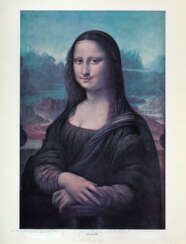

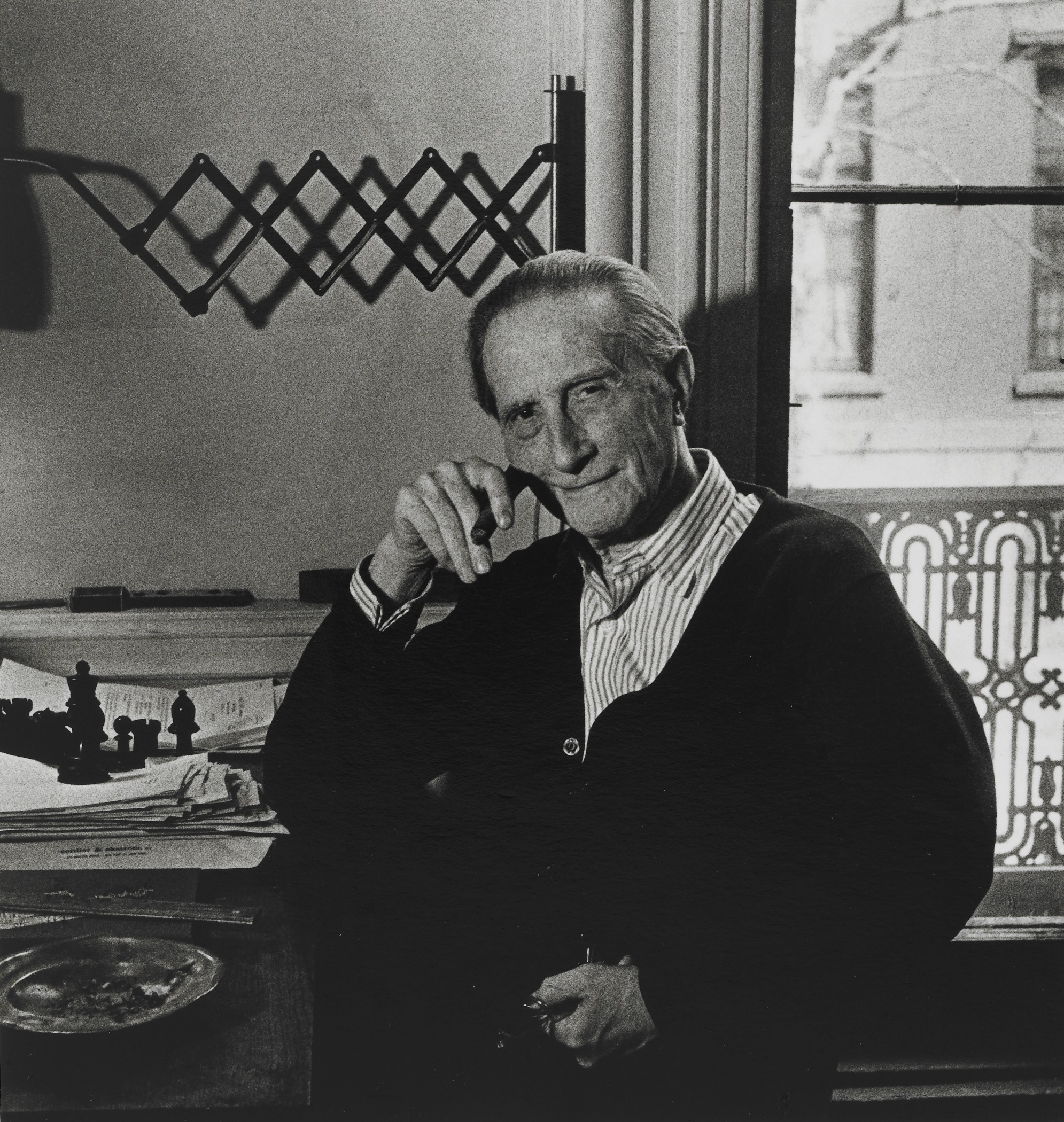
Henri-Robert-Marcel Duchamp, a pioneering French artist, is celebrated for his profound influence on 20th-century art and culture. Duchamp's work transcended traditional mediums, embracing painting, sculpture, and conceptual art, thereby redefining the very nature of artistic creation. His audacious approach to art, marked by intellectualism and wit, challenged conventional perceptions of beauty and utility, making him a central figure in the development of modern and postmodern art.
Duchamp's most notable contributions include his ready-mades—ordinary manufactured objects that he selected and presented as art. This innovative concept questioned the role of the artist and the creation process, exemplified by his famous piece, "Fountain," a porcelain urinal that radically altered the landscape of art by its mere presentation in 1917. His other significant works, like "Nude Descending a Staircase, No. 2," showcased his fascination with movement and mechanization, further cementing his legacy as a visionary.
Duchamp's influence extends beyond his creations, as he played a vital role in shaping the Dada movement and conceptual art. His ideas and artworks continue to inspire artists, collectors, and experts in the fields of art and antiques. Museums and galleries worldwide, including the Philadelphia Museum of Art and the Museum of Modern Art in New York, proudly house his works, attesting to his enduring relevance.
For those keen on exploring the intersections of art, culture, and history, Duchamp offers a rich tapestry of innovation and controversy. Collectors and art enthusiasts are invited to sign up for updates on new product sales and auction events related to Henri-Robert-Marcel Duchamp, ensuring they remain at the forefront of developments in this captivating domain.

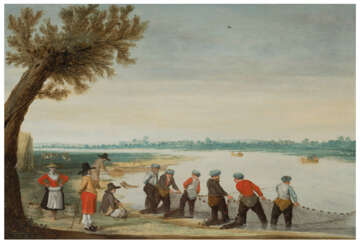

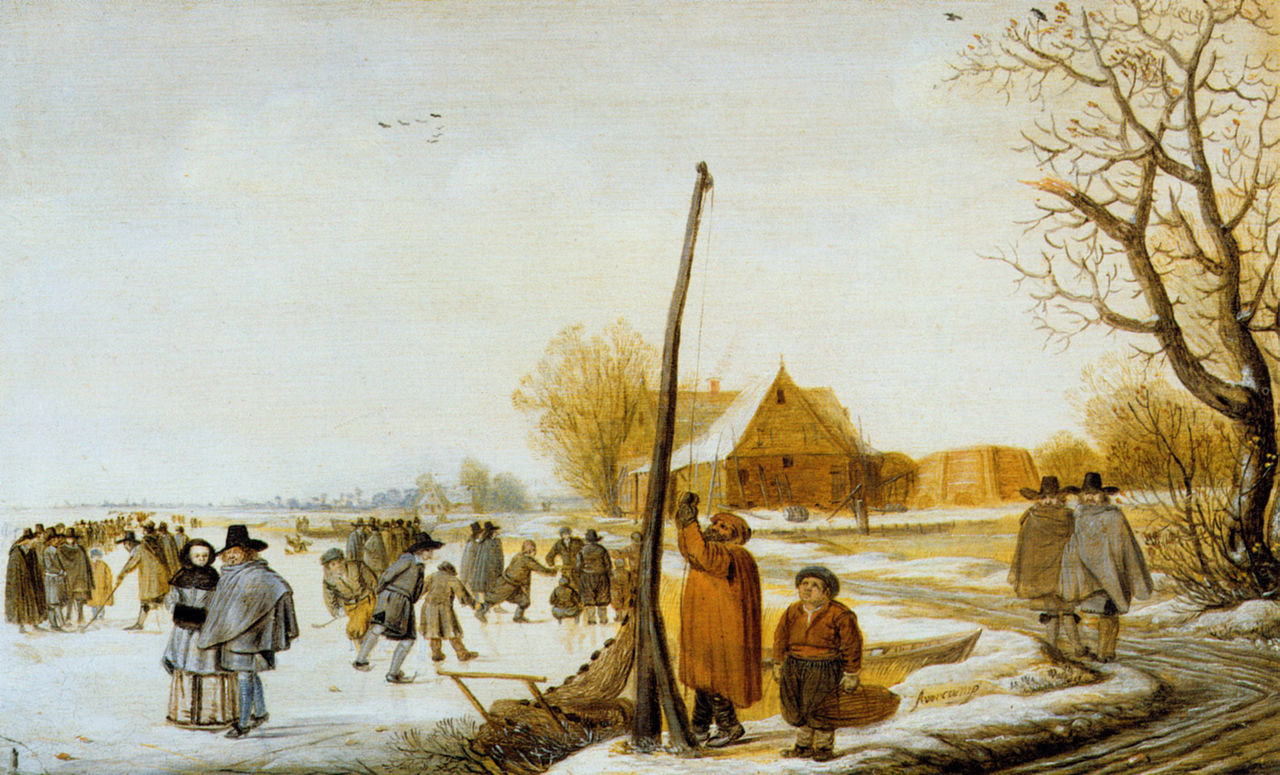
Barent Avercamp was a Dutch painter. He was taught by his uncle Hendrick Avercamp, who was also a painter. Barent primarily painted scenes depicting Netherlands in winter. He was a member of the Guild of Saint Luke, and traveled around the Netherlands including Zwolle and Zutphen for his settings and inspiration.
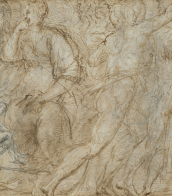
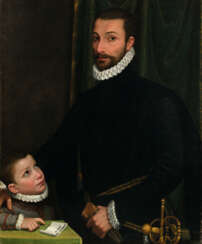

Vincenzo Campi was a notable painter of the 16th century, widely recognized for his unique style that combined traditional subjects with everyday life. Campi's journey in the world of art was influenced by his family background, as he trained under his brother Giulio and was part of a family of Italian painters known for their contributions to Mannerist painting.
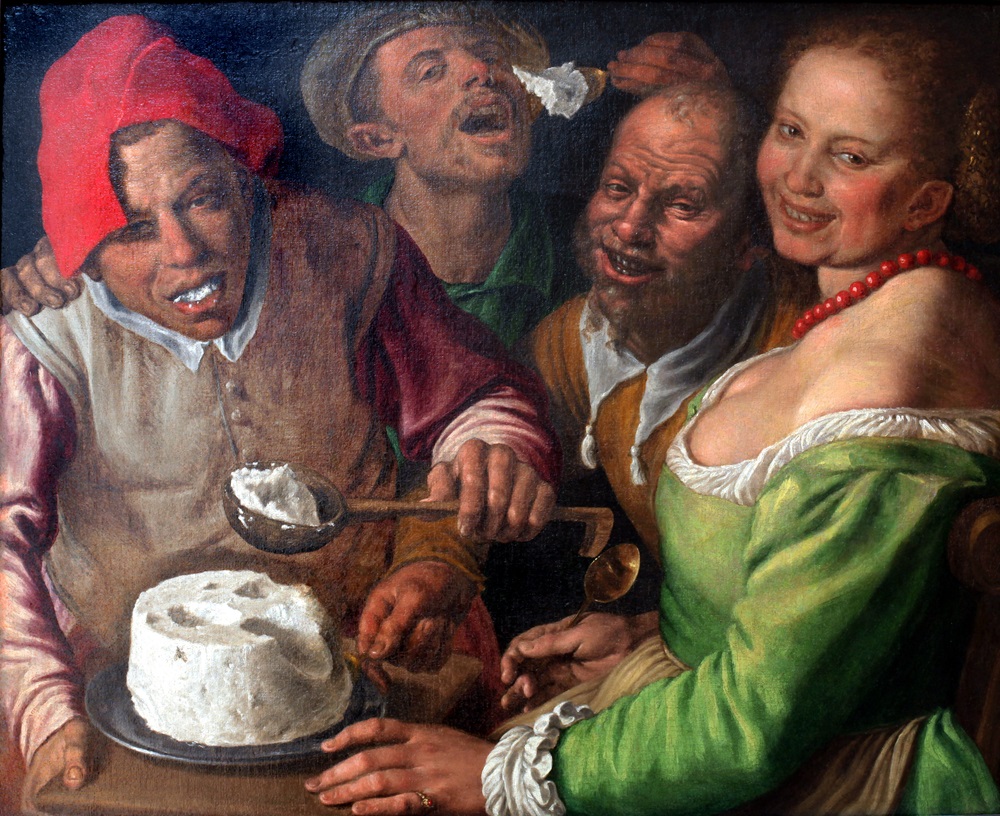
Vincenzo Campi's paintings stood out for their vivid depictions of market scenes and kitchen tableaux, focusing on everyday objects and food with an extraordinary level of realism. This approach was quite innovative for his time. His works like "Pescivendoli" (The Fishmongers, 1579) and "The Ricotta Eaters" (1580) are emblematic of his style, combining elements of still life and genre painting. In "The Ricotta Eaters," for instance, Campi artistically weaves together themes of food and sensuality, presenting a scene that is both a hymn to life and pleasure and a subtle commentary on social classes and morality.
Vincenzo Campi's paintings were not just mere representations of daily life; they often carried deeper social and cultural meanings. For instance, in his depiction of the lower working classes in "Fishmongers," he illustrated contemporary beliefs regarding food's appropriateness based on social hierarchy. The paintings of commoners consuming foods like beans, dark bread, and cheese, as shown in "The Ricotta Eaters," reflected the societal norms of the time regarding class and diet.
Vincenzo Campi's work did not only portray the peasants in a crude or humorous light, but also carried a sophisticated blend of comedy and criticism, reflecting a deeper understanding of the human condition and social structures of his time.
Campi's style and themes influenced other artists in Cremona and contributed to the development of genre painting in northern Italy. His work, in some ways, served as a precursor to Caravaggio’s realism that emerged in the subsequent decade.
For collectors and connoisseurs of art and antiques, Vincenzo Campi's paintings offer a unique window into the societal and cultural aspects of 16th-century Italy, blending everyday life with deeper social commentaries. His work continues to be an important part of the conversation in the history of art.
To stay updated on the latest insights and collections of Vincenzo Campi's works, consider subscribing to our updates. This service will ensure you are informed about new sales, exhibitions, and auction events related to this influential Italian artist.
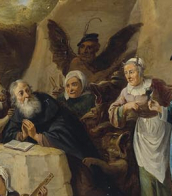
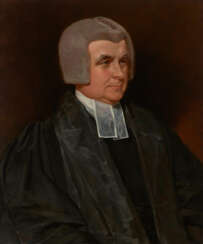

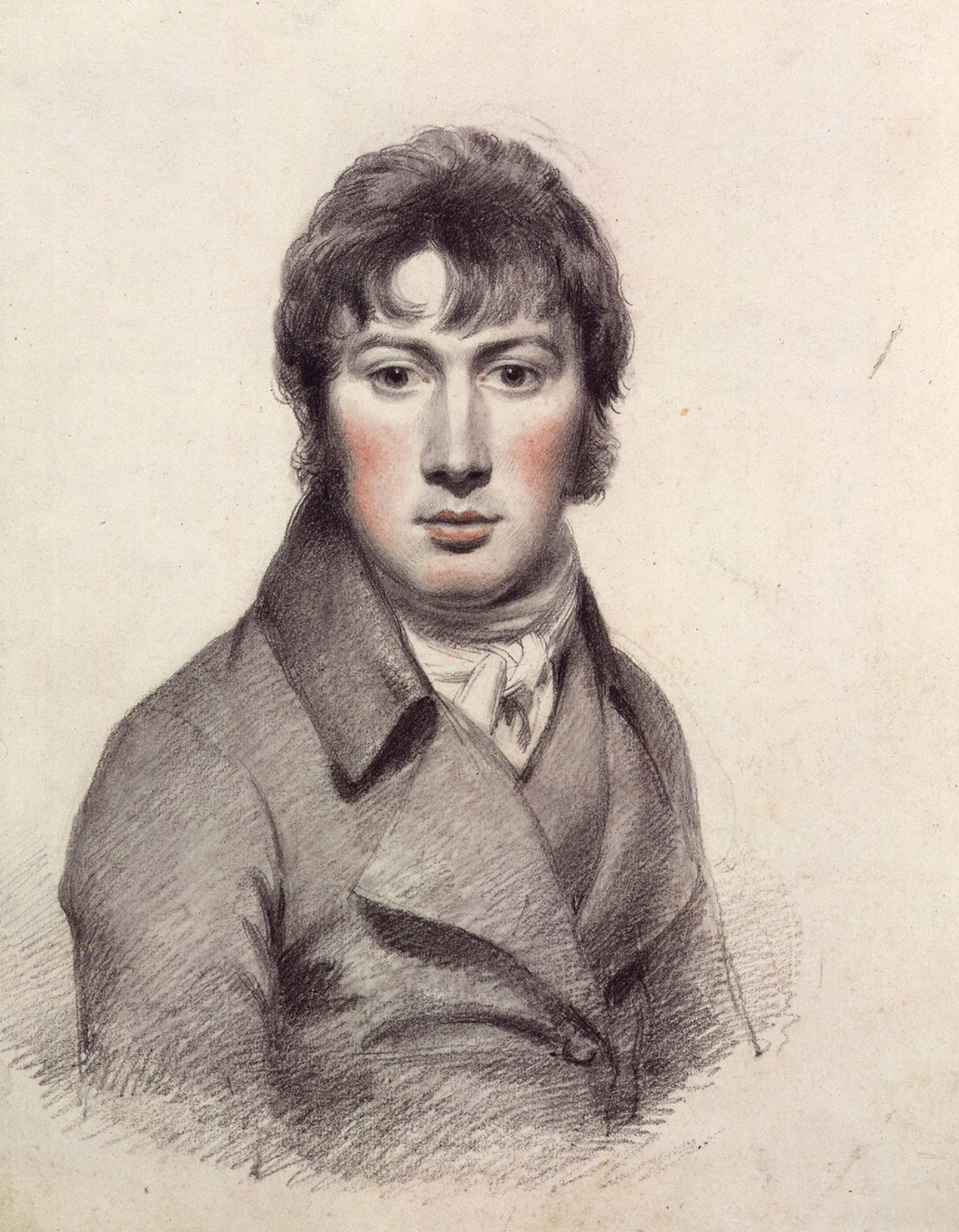
John Constable was an English landscape painter in the Romantic tradition. Born in Suffolk, he is known principally for revolutionising the genre of landscape painting with his pictures of Dedham Vale, the area surrounding his home — now known as "Constable Country" — which he invested with an intensity of affection. "I should paint my own places best", he wrote to his friend John Fisher in 1821, "painting is but another word for feeling".

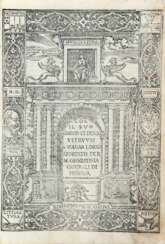
![SETTALA, Lodovico (1552-1663) - Antidotario romano latino, et volgare tradotto da Hippolito Cesarelli Romano. Milan: Gio. Battista Bidelli, 1635. [Legato con:] Avvertenze et osservationi. Milano: Stamperia Ambrosiana, 1630.](/assets/image/picture_1242576/baf4f/zaq1ojbarpcfb50uqk5fprp-akeuza6vfiudipdtqluhbem6padqprhunfjwoayz1608651687jpg__fix_374_244.jpeg)
![SETTALA, Lodovico (1552-1663) - Antidotario romano latino, et volgare tradotto da Hippolito Cesarelli Romano. Milan: Gio. Battista Bidelli, 1635. [Legato con:] Avvertenze et osservationi. Milano: Stamperia Ambrosiana, 1630.](https://veryimportantlot.com/assets/image/picture_1242576/baf4f/zaq1ojbarpcfb50uqk5fprp-akeuza6vfiudipdtqluhbem6padqprhunfjwoayz1608651687jpg__fix_374_244.jpeg)
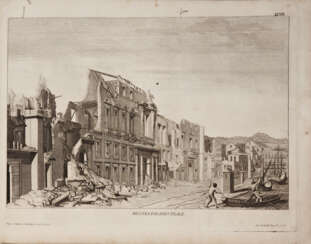









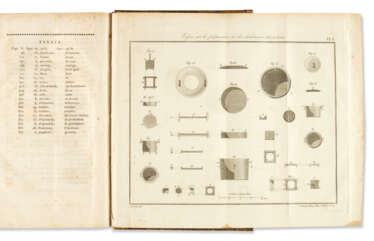

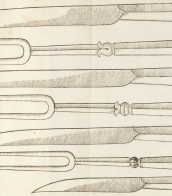
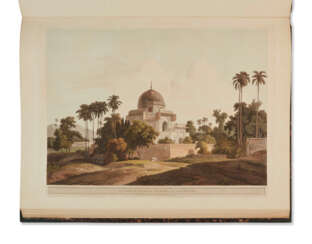

Thomas Daniell was an English landscape painter who also painted Orientalist themes. He spent seven years in India, accompanied by his nephew William, also an artist, and published several series of aquatints of the country.
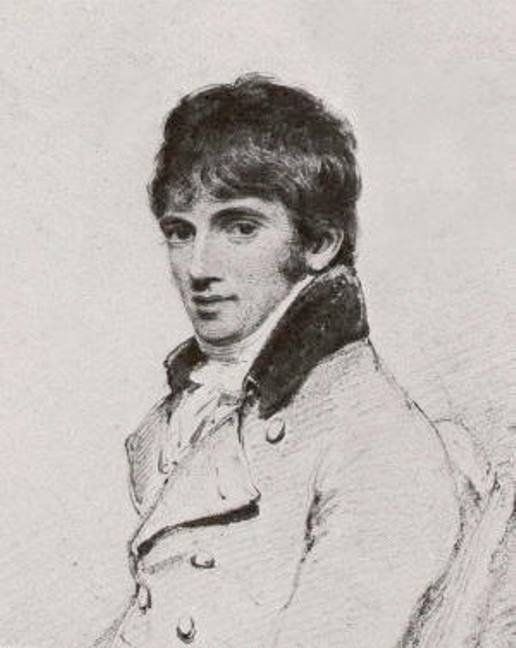
William Daniell was a British landscape painter, marinist and aquatint printmaker, and a Royal Academician.
In his youth he traveled extensively in India with his uncle, the landscape painter Thomas Daniell (1749-1840), with whom he later worked on one of the best illustrated works of the time, Oriental Landscapes. In addition to sketches, William Daniell's diaries contain detailed and insightful descriptions of his travels in North and South India, which formed the basis of their subsequent publications and helped to shape a coherent British view of India.
Daniell was also a prolific engraver and produced countless illustrations for historical and travel works and volumes on the natural world. One of his most famous works was Journey Round Britain (4 volumes, 1814-1825).
William Daniell's work was exhibited at the Royal Academy and the British Institution, and he became a Royal Academician in 1822.













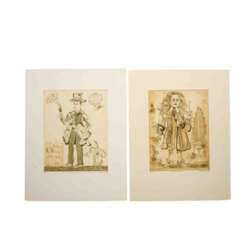


Simon Dittrich is a German painter and graphic artist who lives and works in Stuttgart, Munich, Tuscany and Styria.
Dittrich studied painting at the University of Fine Arts in Berlin, is a member of the Munich and Darmstadt Secession, and a member of the Sudeten-German Academy of Sciences.
Simon Dittrich's early works are dominated by landscapes, animals and still lifes, characterized by varied color and clear lines that emphasize contours. His later works, however, gravitate towards figurative concepts with an abstract tendency.
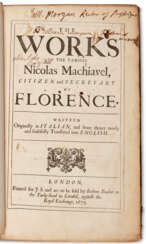

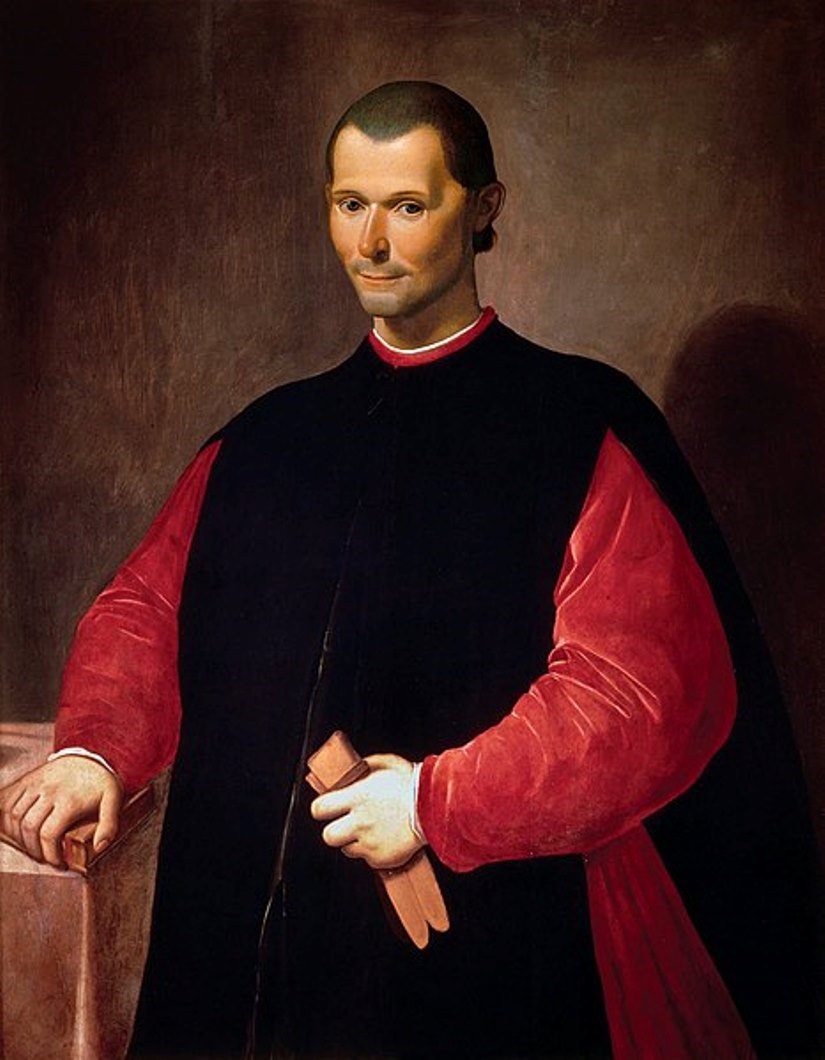
Niccolò di Bernardo Machiavelli was an Italian philosopher, politician and diplomat, historian and Renaissance writer.
As a young man, Niccolò Machiavelli faced financial difficulties due to his father's debts, but had access to a rich library. Machiavelli's early life and career began during a period of political upheaval in Italy. After the expulsion of the Medici family in 1494, for 14 years Niccolo Machiavelli served as a diplomat to the Florentine Republic. During this service, he gained a reputation as a cunning and unconventional thinker. However, when the Medici returned to power in 1512, Machiavelli was dismissed, imprisoned, and temporarily removed from political life.
During this period Machiavelli wrote his famous work The Sovereign, which has become one of the key works in the history of political philosophy. This book epitomizes the Machiavellian approach to politics, where the means justify the end, and where a leader should use any method to consolidate his power. The treatise drew criticism from the Pope, who condemned it for supporting rule through deceit and fear. Nevertheless, The Sovereign is still an important work of political literature, and Machiavelli has come to be called "the father of modern political theory."
Machiavelli lived the rest of his life in a small village near Florence, where he continued his creative endeavors, writing On the Art of War, as well as poems and plays. His literary legacy has become an integral part of the history of political philosophy.


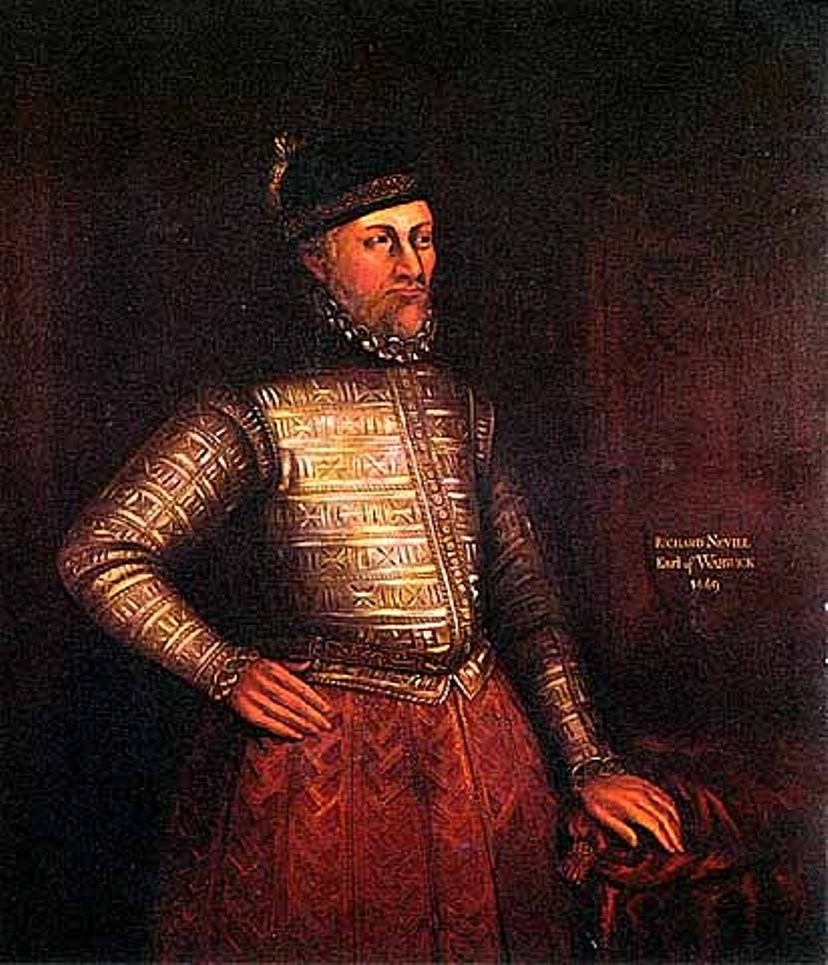
Sir Thomas Malory was a British politician, writer, poet and author of The Book of King Arthur.
Malory was born to a noble family in the county of Warwickshire in the early 15th century. As a knight he took part in the War of the Scarlet and White Rose on the side of the Earl of Warwick, in 1444 or 1445 represented his county in the English Parliament. He was convicted several times, spent the last 20 years of his life in prison, where he created his novels.
Malory wrote his book, consisting of eight volumes, while in prison for various crimes, completing it in 1469 AD, and he was released the following year. He called his work "The Whole Book of King Arthur and his Noble Knights of the Round Table," but when published in 1485 the book was titled "The Death of Arthur," which stuck. The only surviving manuscript is in the British Library in London.
The identity of the author of the King Arthur saga is still disputed by researchers. It is possible that another person hides under the name of Malory, but the influence of this medieval work on history and literature is undeniable.
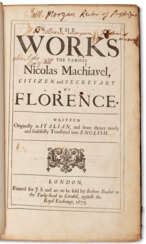

Niccolò di Bernardo Machiavelli was an Italian philosopher, politician and diplomat, historian and Renaissance writer.
As a young man, Niccolò Machiavelli faced financial difficulties due to his father's debts, but had access to a rich library. Machiavelli's early life and career began during a period of political upheaval in Italy. After the expulsion of the Medici family in 1494, for 14 years Niccolo Machiavelli served as a diplomat to the Florentine Republic. During this service, he gained a reputation as a cunning and unconventional thinker. However, when the Medici returned to power in 1512, Machiavelli was dismissed, imprisoned, and temporarily removed from political life.
During this period Machiavelli wrote his famous work The Sovereign, which has become one of the key works in the history of political philosophy. This book epitomizes the Machiavellian approach to politics, where the means justify the end, and where a leader should use any method to consolidate his power. The treatise drew criticism from the Pope, who condemned it for supporting rule through deceit and fear. Nevertheless, The Sovereign is still an important work of political literature, and Machiavelli has come to be called "the father of modern political theory."
Machiavelli lived the rest of his life in a small village near Florence, where he continued his creative endeavors, writing On the Art of War, as well as poems and plays. His literary legacy has become an integral part of the history of political philosophy.